Bringing drones in-house?

Most of our work is flying missions for clients. This is the other half: building the capability inside companies that would rather fly it themselves. Six phases, one accountable partner, and a destination that doesn't include us — a program your own people run, documented well enough to survive an audit and a change of staff. Start wherever you are. Plenty of companies come in with aircraft already in a closet and nobody trained to fly them.

Planning and assessment work

01 · Phase

Assessment & Business Case

Find out whether a drone program makes sense before you spend money finding out.

The first honest question is whether you need one at all. We inventory the work drones could actually take on in your operation, price what that work costs you today, and compare it against what it would cost flown in-house. Sometimes the answer is a full program. Sometimes it's two missions and a contractor. You get told which.

  • Use-case inventory across your operation
  • Current-state cost baseline for the work in scope
  • Build, outsource, or hybrid recommendation
  • Capability and staffing gap analysis
  • Phased roadmap with budget by phase
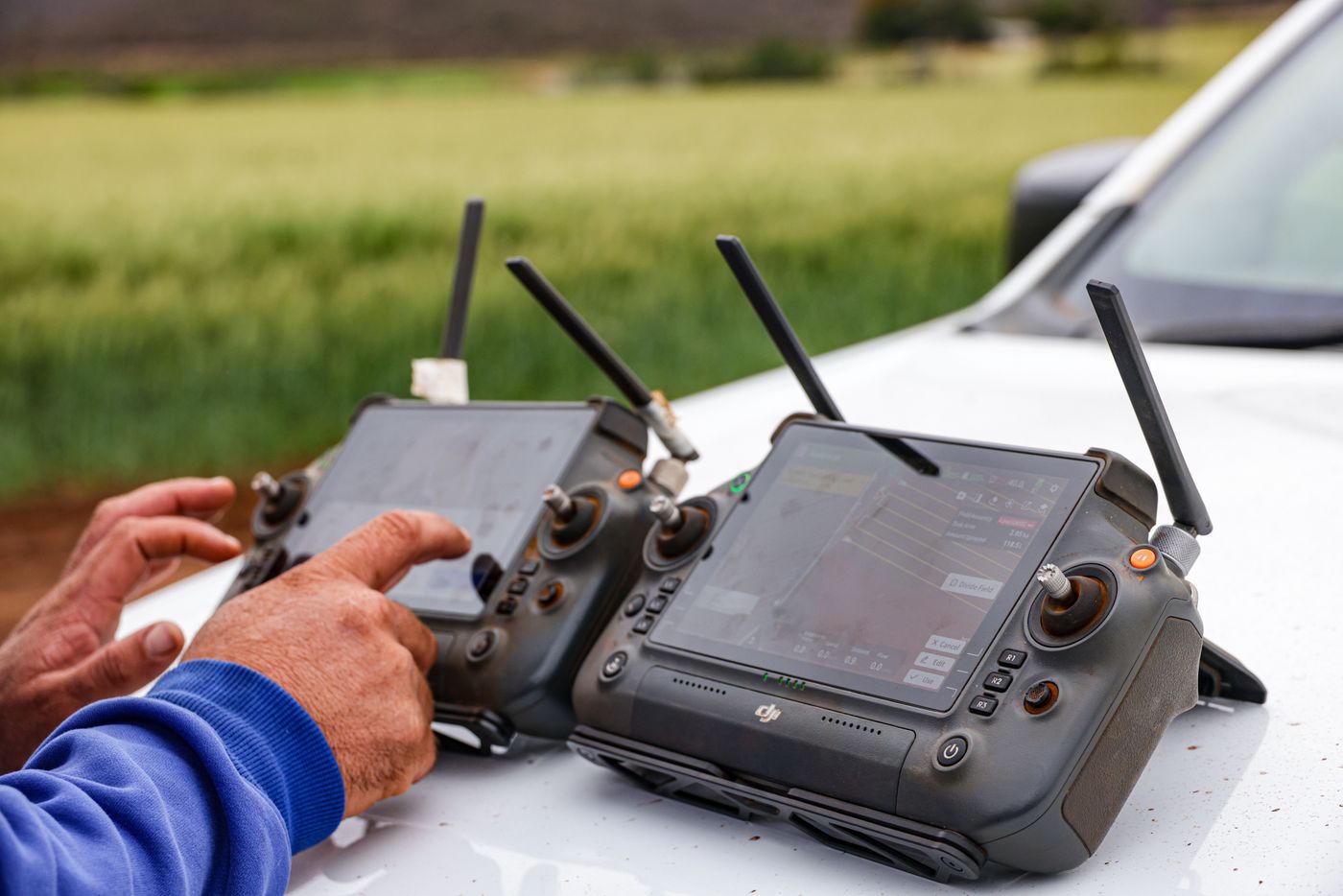
Pilot operating dual ground control stations on a vehicle hood in the field

02 · Phase

Procurement & Platform Selection

The right equipment for your missions and your purchasing rules.

We don't sell aircraft, which means we have no reason to recommend one brand over another. Selection starts from the missions and works backward to the hardware — then accounts for what procurement will actually approve. For federal, state, and DOT work that means NDAA and Blue UAS compliance verified before anyone signs a purchase order, not after.

  • Mission-to-platform requirements matrix
  • NDAA and Blue UAS compliance verification
  • Sensor and payload specification
  • Software and data pipeline selection
  • Total cost of ownership — spares, batteries, software, training
  • Vendor-neutral procurement specification your purchasing team can issue
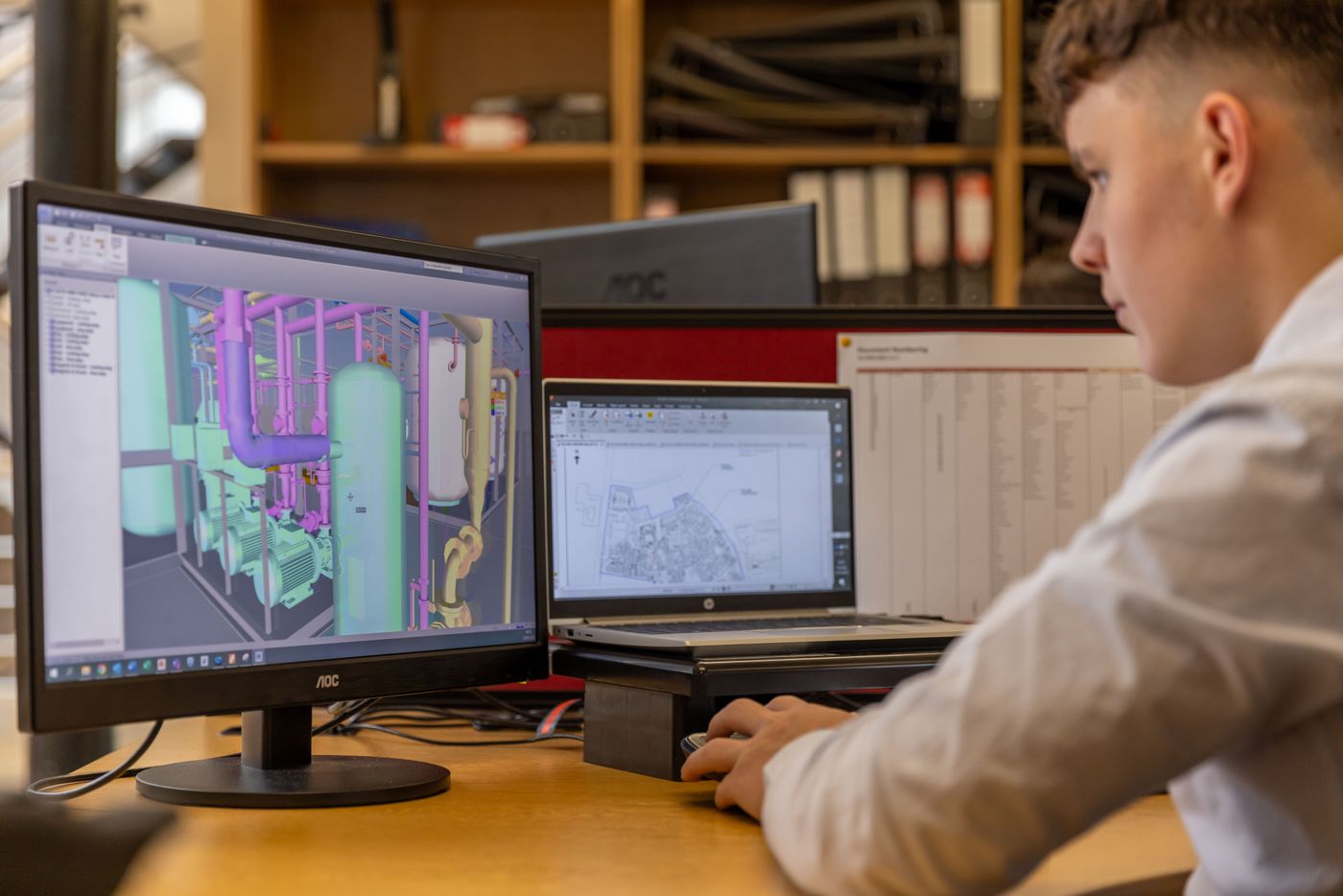
Engineer reviewing a 3D CAD model and site plan on dual screens

03 · Phase

Procedures & Documentation

Standard operating procedures written for your company — not a template with your logo dropped on it.

Generic SOPs fail in exactly the moment they're needed, because they describe a company that isn't yours. Yours are written around your sites, your missions, your hazards, and your chain of command — specific enough that a new pilot can follow them and an investigator can verify they were followed.

  • Standard operating procedures (SOPs)
  • Concept of operations (ConOps)
  • Flight operations manual
  • Preflight, in-flight, and postflight checklists
  • Maintenance, battery, and flight logging systems
  • Data handling, retention, and quality control procedures
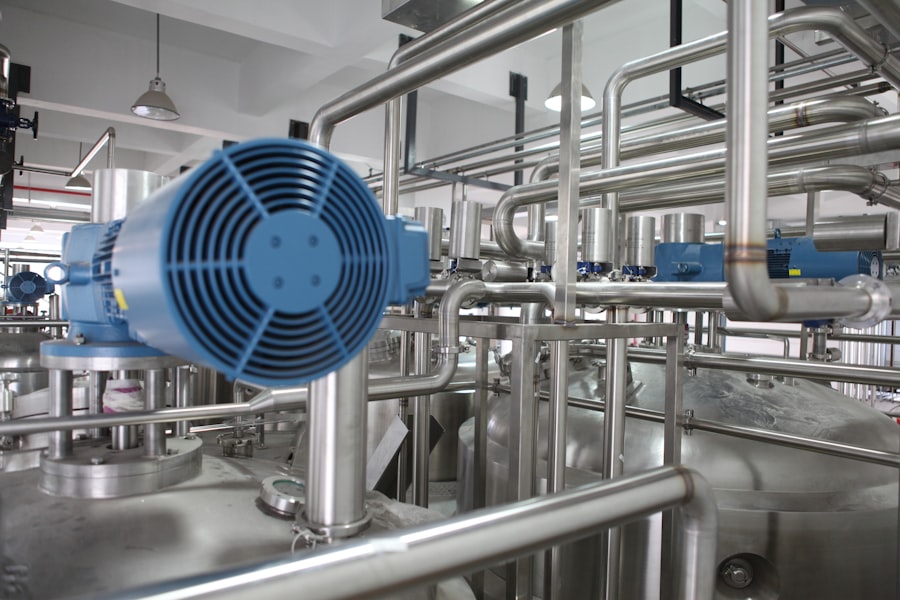
Infrastructure and elevated work

04 · Phase

Risk Management

The safety case that protects your people first and your balance sheet second.

This is the phase companies skip because nothing has gone wrong yet, and it's the one that pays for the whole program. One incident — an enforcement action, a lost aircraft, a damaged asset, a claim that follows your premium for years — costs more than doing this properly ever would. And every roof nobody climbs is a risk that simply stops existing.

  • Operational risk assessment by mission type
  • Job safety analyses for drone operations
  • Emergency, lost-link, and flyaway procedures
  • Incident reporting and investigation process
  • Safety Management System (SMS) framework
  • Documentation package for your insurer and legal team
Field flight operations

05 · Phase

Training & Qualification

Zero to Part 107, on your site, on your equipment — then trained on the missions you actually fly.

Training happens at your facility with your aircraft, because a pilot who passed a test in a classroom still hasn't flown your site. It starts at zero: no aviation background required, through ground school and Part 107 test preparation, into hands-on flight instruction and then the specific mission your operation needs done. You also keep the training program itself — a document your company owns and reuses on the next hire.

  • Part 107 ground school and knowledge test preparation
  • On-site hands-on flight instruction on your aircraft
  • Mission-specific training for your actual work
  • Pilot competency checklists and qualification records
  • A reusable training program your company owns
  • Annual recurrent sessions to maintain currency
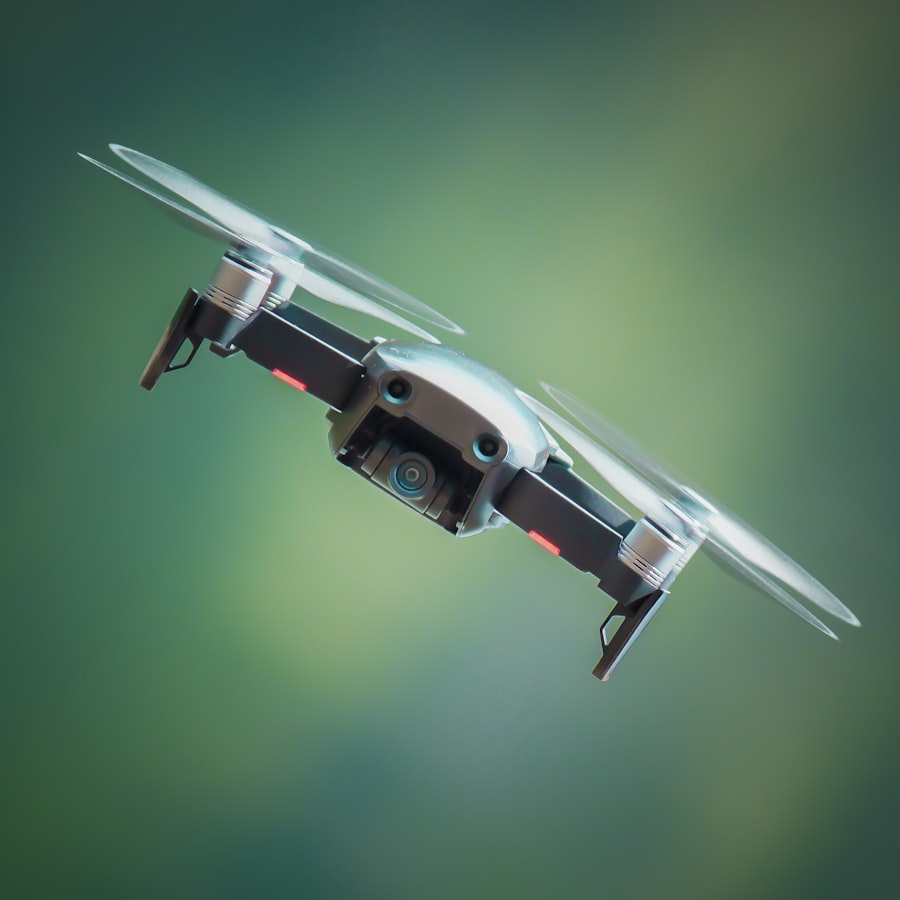
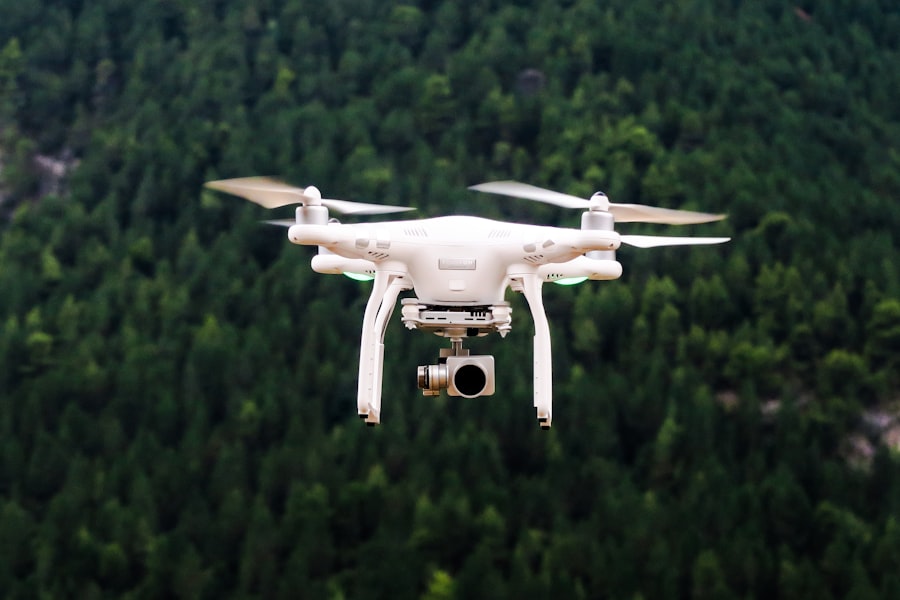
Drone in flight at dusk

06 · Phase

Recurrent Support

Procedures stay current, pilots stay sharp, and nobody on your staff has to track the rules.

Handoff isn't abandonment. Part 107 changes, waivers expire, people leave, and procedures written two years ago quietly stop describing what your crews actually do — which is the exact gap an investigator finds afterward. Ongoing support keeps the documentation aligned with current regulation and your pilots current, so the program doesn't decay the moment attention moves elsewhere.

  • Annual recurrent training for your pilots
  • Procedure review and update against current regulation
  • Waiver renewal and airspace authorization support
  • New-hire onboarding into the existing program
  • On-call advisory for unusual missions and questions

Our main line of work

Or just have us fly it.

A program isn't the right answer for everyone. If you need the data and not the capability — a one-off capture, a pilot project to prove the case before committing, or overflow for a program already running — we fly those missions directly, and that's the larger half of what we do.

It's also why the procedures above have been flown, not just drafted.

See the Aerial Services

Thinking about bringing drones in-house?

Tell us what you're trying to accomplish and what you've already bought. You'll get an honest read on whether a program makes sense for you — usually within one business day.

Start the Conversation